E-Waste Facts 2026: How Much Tech Gets Thrown Away?
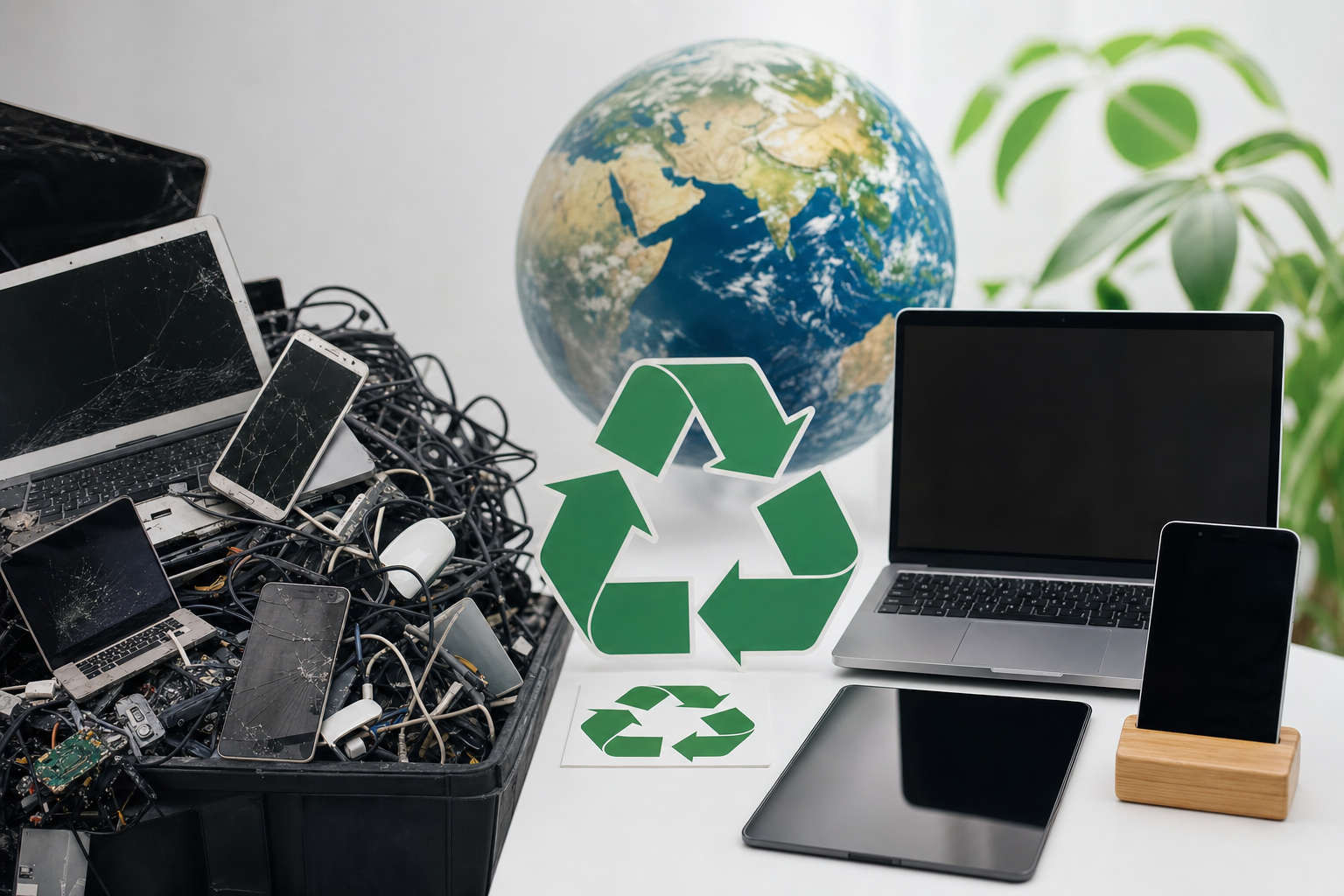
E-waste is still rising faster than recycling systems can keep up. The clearest e-waste facts for 2026 are these: the world generated 62 million metric tonnes of electronic waste in 2022, only 22.3% was formally documented as collected and recycled, and the total is on track to reach 82 million tonnes by 2030.
Quick Answer: Most discarded electronics still do not enter formal recycling systems, which is why reuse, repair, resale, and responsible recycling through audited facilities matter more than ever.
Key Takeaways
- Roughly four out of five pounds of the world’s e-waste still miss documented formal recycling systems.
- Small household electronics are the largest e-waste category globally and among the hardest products to capture once they end up in drawers and closets.
- EPA says the United States generates 6.7 million tons of electronic waste and recycles only 16% of it.
- SERI’s R2v3 standard gives buyers a stronger signal that a recycler’s handling, testing, and downstream practices are being audited.
- Keeping a working device in service longer is one of the simplest ways to prevent new e-waste from being created.
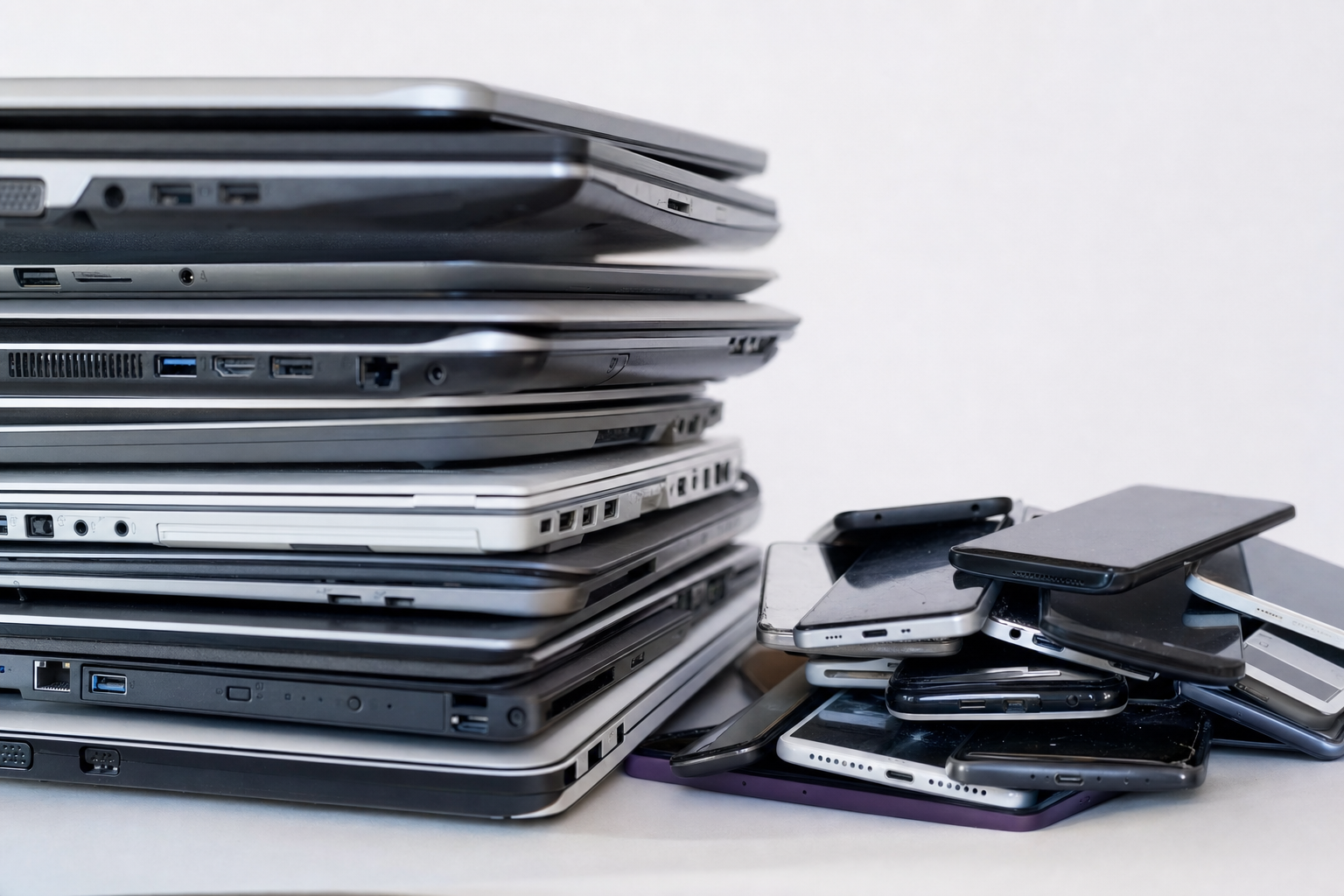
What Are the Most Important E-Waste Facts for 2026?
The headline number comes from the UN-backed Global E-waste Monitor 2024: 62 billion kilograms, or 62 million metric tonnes, of e-waste were generated worldwide in 2022, equal to 7.8 kilograms per person. Only 13.8 billion kilograms entered formally documented collection and recycling systems, a rate of 22.3%, according to The Global E-waste Monitor 2024.
Put more plainly, about four out of every five pounds of the world’s discarded electronics are still not captured in documented formal recycling. That single ratio explains why World Environment Day messaging keeps circling back to circularity, repair, and reuse: the waste stream is growing faster than the systems built to handle it.
The trend line is moving the wrong way. The same UN-backed research says e-waste is increasing by 2.6 million tonnes per year and could reach 82 million tonnes by 2030, while roughly US$62 billion in recoverable resources went unaccounted for in 2022 because so much material was not properly captured.
How Much Tech Gets Thrown Away in the United States?
The U.S. picture is not much more comforting. EPA’s 2024 infrastructure assessment says the country generates 6.7 million tons of electronic waste and captures only 16% for recycling, even with statewide programs in 25 states plus the District of Columbia, according to EPA’s assessment of U.S. recycling system infrastructure.
That matters because U.S. households and offices cycle through an enormous range of gear: laptops, monitors, routers, phones, printers, docks, cameras, and networking hardware that often still have useful life left. Buyers looking through categories such as Laptops & Notebooks, Networking Equipment, and Monitors & Projectors are seeing the practical side of waste prevention, not just bargain hunting.
EPA’s consumer guidance is even more direct on priority order. Donation, resale, and reuse come before recycling because the best way to cut e-waste is to keep a working device working, as EPA explains in its electronics donation and recycling guidance.
Which Devices Make Up the Biggest Share of E-Waste?
The biggest category is not giant appliances or dramatic piles of broken TVs. According to the Global E-waste Monitor’s category breakdown, small equipment accounted for 20.4 billion kilograms in 2022, followed by large equipment at 15.1 billion kilograms and temperature-exchange equipment such as cooling appliances at 13.3 billion kilograms.
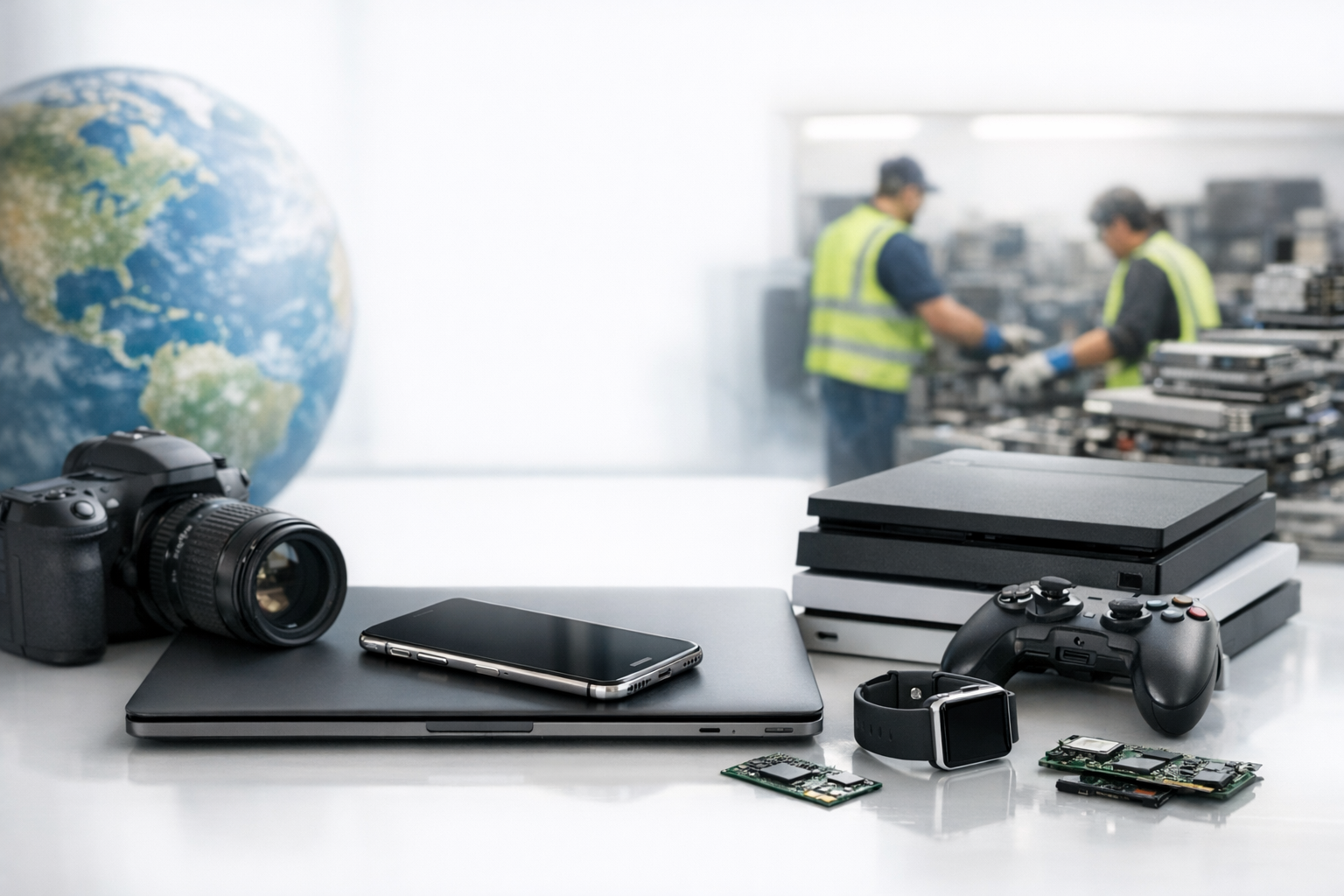
Screens and monitors made up 5.9 billion kilograms, while small IT and telecom equipment totaled 4.6 billion kilograms. Those smaller categories often contain the exact products people forget about in desk drawers, server closets, garage bins, and office liquidation rooms.
Capture rates vary sharply by category, and the small everyday stuff performs badly. Small equipment had a documented collection and recycling rate of just 12%, while small IT and telecom equipment reached 22% and screens and monitors 25%, according to the category tables published by the UN monitor. A second-life accessory can make a measurable difference here; a Lenovo ThinkPad Thunderbolt 3 Dock Only Type 40AC DBB9003L1 No Power Adapter$19.99 Lenovo ThinkPad Thunderbolt 3 Dock Only Type 40AC DBB9003L1 No Power AdapterView on eBay → is a good example of the kind of overlooked gear that often gets scrapped long before its practical usefulness is gone.
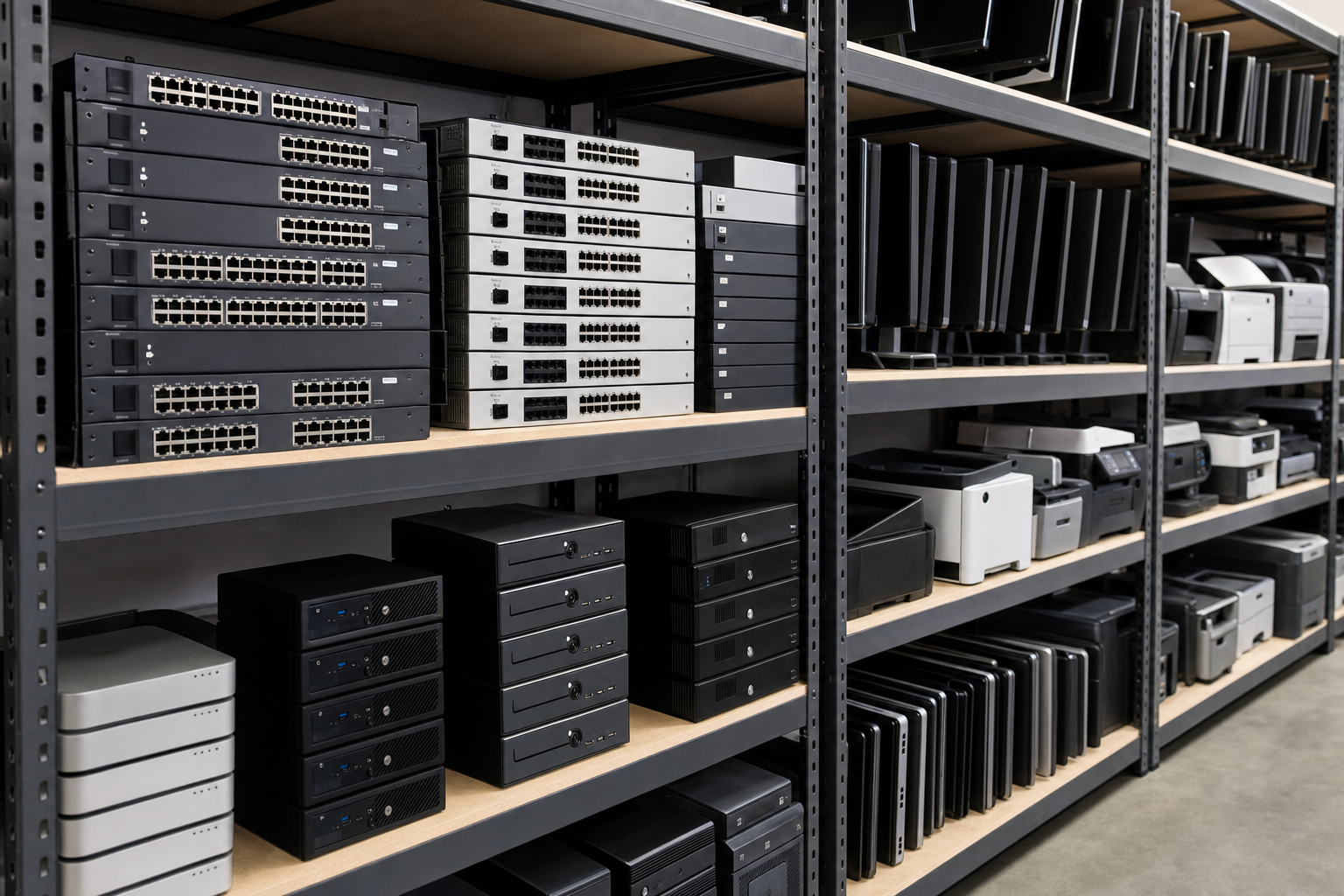
Why Does So Much Electronic Waste Still Miss Formal Recycling?
Part of the answer is behavioral. Small devices are easy to stash and easy to forget, which delays collection until a move, cleanout, or office closure turns a closet full of electronics into a disposal problem.
Part of it is structural. The U.S. still lacks a single federal e-waste law, relying instead on a state-by-state patchwork, while globally the largest generating regions and the regions with the weakest formal collection systems do not line up neatly. The Americas generated 16.1 kilograms of e-waste per person in 2022, far above the global average of 7.8 kilograms, while Africa generated 2.5 kilograms per person but documented only 0.018 kilograms per person as formally collected and recycled.
Repair barriers also push products out of service earlier than necessary. The FTC has argued that illegal or anti-competitive repair restrictions can raise costs, limit independent repair, and create unnecessary waste, a point that lines up with the case for longer-lived electronics in our recent look at why extending device life matters.
What Does the Circular Economy Mean for Electronics in Practice?
The circular economy is a simple idea that gets overcomplicated. In electronics, it means squeezing more useful life out of devices before treating them as material recovery projects.
That usually happens in a predictable order: redeploy a device internally, resell it, repair it if sensible, harvest usable parts, and only then recycle the remaining materials. A buyer who chooses a previously deployed business laptop from Laptops & Notebooks or a tested switch from Servers & Enterprise is participating in that chain whether they use the phrase “circular economy” or not.
EPA’s examples help make the value tangible. Recycling one million laptops saves the energy equivalent of the electricity used by more than 3,500 U.S. homes in a year, and recycling one million cell phones can recover large quantities of copper, silver, gold, and palladium. Electronics are not ordinary trash; they are a messy, under-collected urban mine.
That is why older enterprise hardware still matters. A Cisco WS-C3750X-48T-L V02 48 Port PoE Gigabit Switch w/ C3KX-NM-10G$39.99F3C4 Cisco WS-C3750X-48T-L V02 48 Port PoE Gigabit Switch w/ C3KX-NM-10GView on eBay → shows how much value can remain in gear that has already served one office cycle; networking equipment ages out of corporate environments faster than it becomes useless in labs, small businesses, or learning setups.
Why Does R2v3 Matter When Electronics Reach End of Life?
Responsible recycling is not just about hauling stuff away. It is about data security, environmental controls, downstream accountability, and documented process discipline when devices can no longer be reused.
SERI, short for Sustainable Electronics Recycling International, maintains the R2 standard and the directory of certified facilities. Its R2v3 framework covers electronics reuse and recycling operations, and certified facilities can hold scope for activities including data sanitization and test and repair, as shown in SERI’s R2 certified facility directory and R2v3 code-of-practices materials.
For IT asset managers, Appendix B data sanitization scope is one of the biggest trust signals because retiring hardware often contains far more risk than visible value. For consumers, the practical outcome is easier to grasp: when a recycler has been audited against the R2v3 standard for the work it performs, there is a stronger basis for confidence around handling, testing, and end-of-life management than there is with anonymous disposal channels. If you need a shorthand for the grades used on many listings, Understanding R2V3 Grades is the useful primer, and pages such as F4 — Hardware Functional (functional) and C4 — Used Good (cosmetic) explain what buyers are actually seeing.
How Does Buying Used Tech Help Reduce E-Waste?
Buying used electronics does not solve the whole waste problem, but it tackles the most preventable part of it: sending still-usable devices into premature retirement. That matters because the fastest-growing waste stream is being fed by products that are often obsolete to one owner long before they are useless to the next.
Demand trends suggest this is no longer a fringe habit. IDC reported that global used-smartphone shipments were forecast to grow 3.2% year over year in 2025, outpacing new smartphone shipment growth of 1%, which signals that second-hand electronics are moving further into the mainstream.
The same logic applies beyond phones. A Dell Latitude 5410 14" Laptop i7 10th Gen 256GB SSD 8GB RAM Win 11 Pro (Z3E) B$269.95 Dell Latitude 5410 14" Laptop i7 10th Gen 256GB SSD 8GB RAM Win 11 Pro (Z3E) BView on eBay → is the kind of machine that can remain perfectly serviceable for web work, office tasks, remote learning, and fleet backup duty years after its first deployment cycle ends.
What Environmental and Health Risks Make E-Waste Different From Ordinary Trash?
Electronics combine plastics, glass, steel, aluminum, circuit boards, batteries, and trace quantities of valuable and hazardous substances in one hard-to-handle package. When devices are dumped, burned, or processed informally, those materials can create exposure risks for workers and nearby communities.
The World Health Organization has warned that e-waste contains toxic substances and that informal recycling can expose people, including children, to harmful contaminants with serious health implications. That public-health angle is easy to miss when the conversation stays focused on consumer convenience.
There is also a resource-security dimension. The UN monitor notes that e-waste contains critical raw materials vulnerable to supply disruption, which means poor collection is not just a waste-management failure but a missed materials strategy.
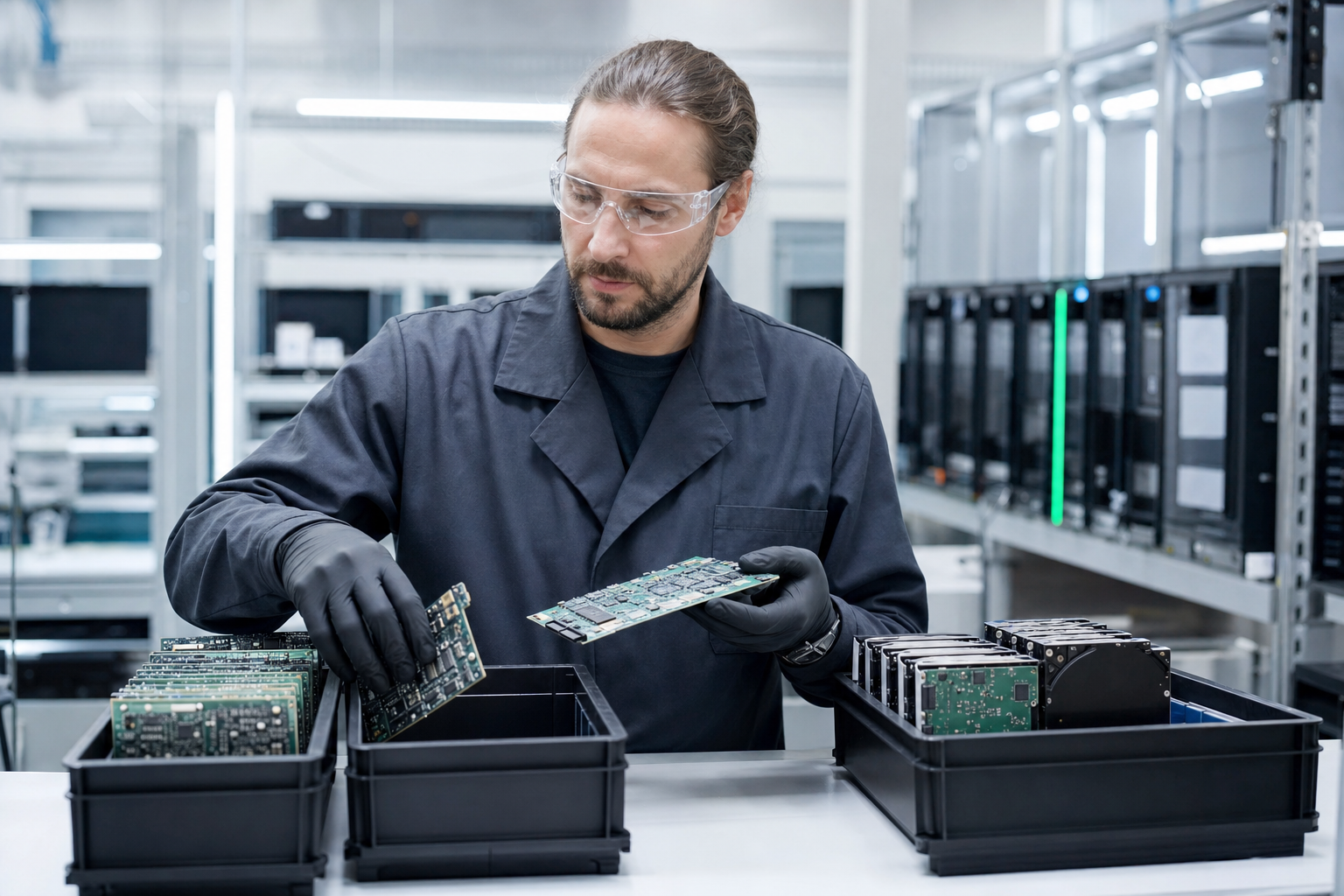
What Should Consumers and IT Teams Do With Old Electronics?
Start with a simple question: does the device still have useful life? If the answer is yes, reuse beats disposal.
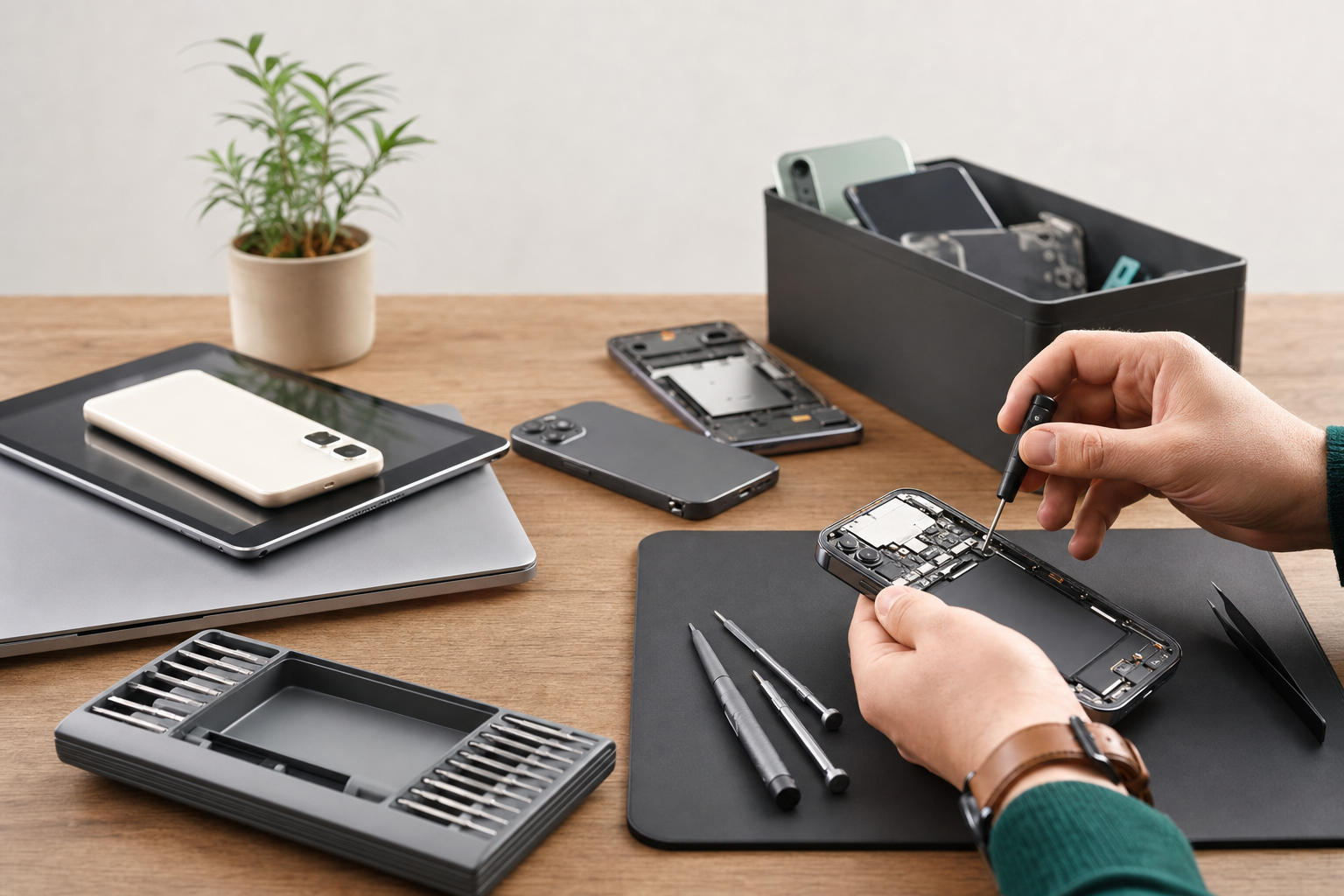
For households, that can mean reselling a laptop, passing along a tablet, or keeping older accessories in circulation instead of tossing them during a desk cleanup. For businesses, it can mean redeploying gear internally, remarketing assets in batches, or sorting what belongs in reuse channels versus true end-of-life streams through a Certified Recycler Directory.
When a device is genuinely done, responsible recycling should be the last step, not the first one. Buyers and asset managers who browse Browse All Products or check category pages such as Smart Home & Surveillance and Networking Equipment are looking at the visible end of a much larger process: keeping viable electronics in circulation for longer so fewer of them become waste too soon.
Frequently Asked Questions
How much e-waste is thrown away each year?
The most current UN-backed benchmark says the world generated 62 million metric tonnes of e-waste in 2022. That total is rising by about 2.6 million tonnes per year and is projected to reach 82 million tonnes by 2030.
What percentage of e-waste is actually recycled?
Globally, only 22.3% of e-waste was formally documented as collected and recycled in 2022. In the United States, EPA says the recycling rate is about 16%.
What kinds of electronics create the most e-waste?
Small equipment is the largest global category by mass. That includes the everyday electronics people tend to accumulate and forget, which helps explain why capture rates are so low.
Is buying used electronics actually better for reducing e-waste?
Yes. Reuse keeps a working device out of the waste stream entirely, which is often more effective than waiting until disposal. That is why EPA places donation, resale, and reuse ahead of recycling for electronics.
What does R2v3 certification tell me as a buyer?
It tells you the seller’s recycling facility has been audited against SERI’s R2v3 standard for relevant electronics handling activities. That can include process controls around testing, repair, data sanitization, and downstream management depending on the facility’s certified scope.
Should I recycle a working laptop or sell it?
If the laptop still works and meets your needs or someone else’s, selling, donating, or redeploying it is usually the better first move. Recycling makes more sense when the device is no longer practical to use, repair, or part out.
Why are old business computers and network devices still worth buying?
Enterprise gear is often replaced on schedule rather than because it has failed. That means off-lease laptops, docks, phones, and switches can still offer years of useful service in home offices, labs, schools, and small-business setups.
Products Mentioned
Affiliate links — we may earn a commission if you buy through eBay.Lenovo
Lenovo ThinkPad Thunderbolt 3 Dock Only Type 40AC DBB9003L1 No Power Adapter
$19.99
Dell
Dell Latitude 5410 14" Laptop i7 10th Gen 256GB SSD 8GB RAM Win 11 Pro (Z3E) B
$269.95
Cisco
Cisco WS-C3750X-48T-L V02 48 Port PoE Gigabit Switch w/ C3KX-NM-10G
$39.99
Sponsored
Stay updated on R2V3 deals
Weekly deals from R2V3 certified recyclers in your inbox.