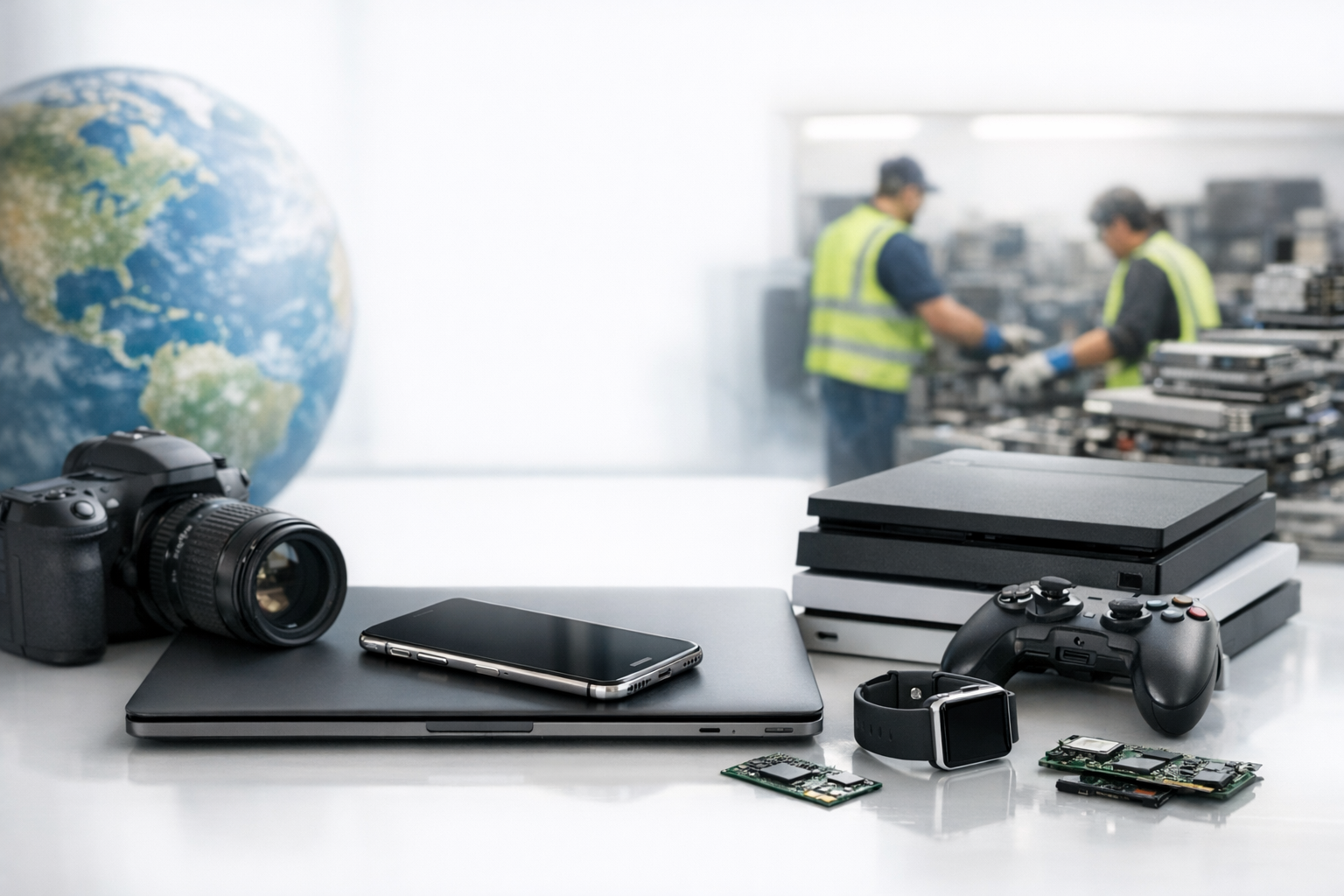
World Environment Day: Why Buying Used Tech Lowers Emissions
Buying used tech often lowers emissions because the biggest share of a device’s carbon impact usually comes from raw material extraction, manufacturing, and global transport before first use. For World Environment Day on June 5, that makes the used tech carbon footprint a practical climate question, not just a budget one.
Quick Answer: Choosing a used laptop, dock, switch, or scanner can reduce your personal electronics footprint by keeping existing hardware in service and avoiding the emissions tied to making a new replacement.
Key Takeaways
- Embodied carbon means the emissions created during mining, manufacturing, assembly, and shipping before a device is used.
- For many electronics categories, embodied carbon makes up a large share of total lifecycle impact.
- Buying second-hand electronics extends product life and spreads manufacturing emissions over more years of use.
- SERI sets the R2 standard for certified recycling facilities, including requirements around environmental practices and data handling.
- Responsible resale and recycling is a better outcome than storage, informal disposal, or landfill leakage.
Why does used tech have a lower carbon footprint?
The short answer is embodied carbon. That term means the greenhouse-gas emissions tied to mining metals, producing chips, manufacturing batteries and screens, assembling the device, and moving it through a global supply chain before it reaches a buyer.
For a lot of electronics, that front-loaded impact is larger than people expect. A laptop may use modest electricity over its lifetime, but its carbon burden starts long before first boot, which is why keeping an existing machine in circulation usually beats replacing it early with a new one.
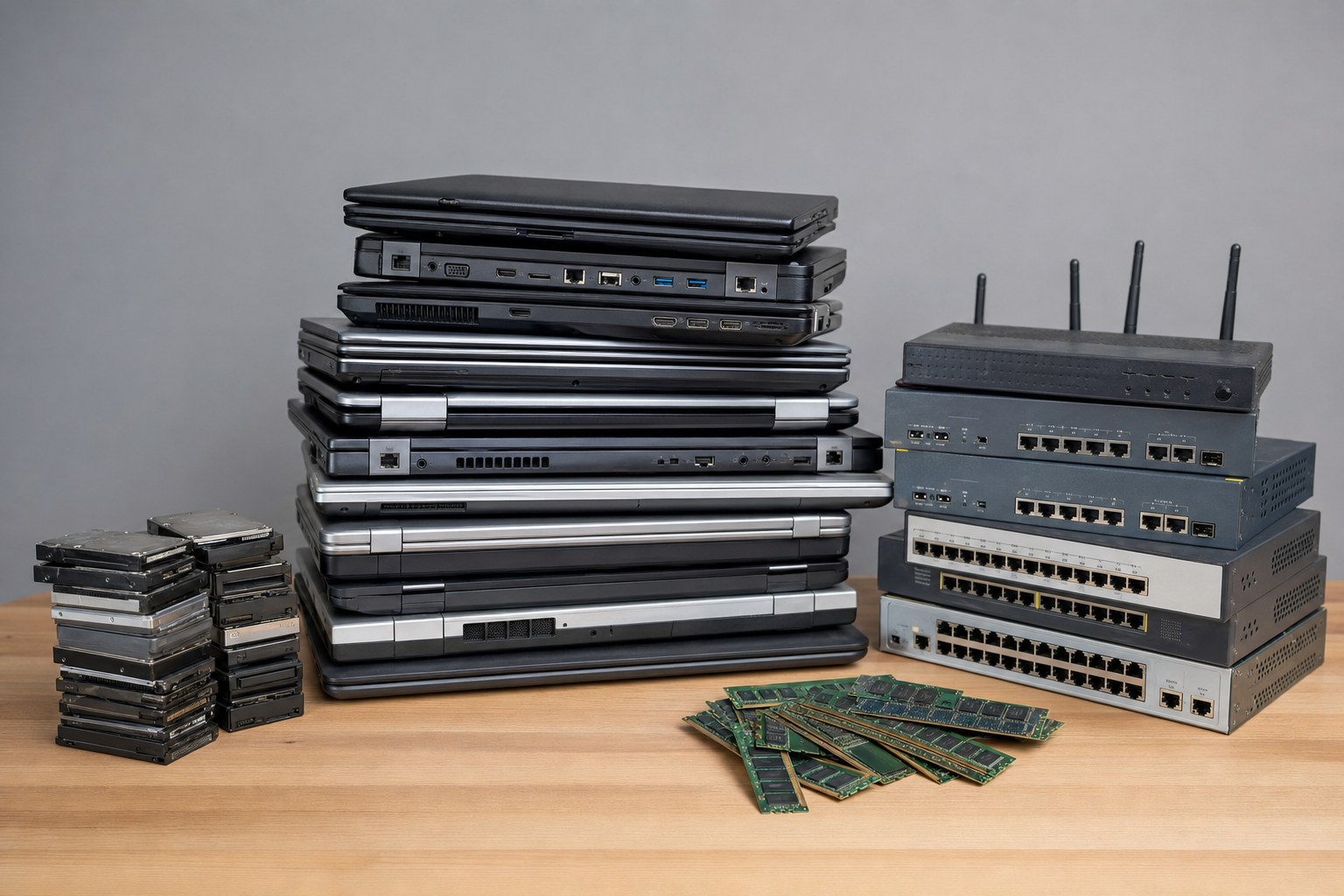
That is especially clear in categories with complex supply chains such as Laptops & Notebooks, Networking Equipment, and Printers & Scanners, where the energy and material intensity of production is hard to ignore.
Why does World Environment Day on June 5 matter for electronics?
World Environment Day is useful because it shifts the conversation from vague green habits to measurable impact. Electronics are a strong example: the greener choice is often not the newest efficient model, but the one that already exists and still does the job.
That does not mean every old device should stay in service forever. It means replacement decisions should account for the emissions already spent making the hardware, especially for business laptops, monitors, docks, switches, and peripherals that can remain useful well beyond their first deployment cycle.
If you want the e-waste angle alongside the emissions story, our piece on why buying used electronics still matters for cutting e-waste covers that side of the equation in more detail.
How large is the e-waste problem?
The e-waste stream is enormous and still growing. The EPA’s guidance on electronics donation and recycling stresses that devices contain valuable recoverable materials, but also components that need proper handling to prevent pollution and unsafe disposal.
That environmental scale matters because every stored-away laptop or discarded switch represents two losses at once: emissions from a replacement purchase and materials stranded from reuse or responsible recovery. Groups such as the Basel Action Network have spent years documenting what happens when electronics move through weak downstream channels instead of audited ones.
The better path is simple in practice: keep working equipment in use, direct nonworking equipment into responsible recycling, and avoid treating business hardware as disposable just because it has aged out of a lease schedule.
What does embodied carbon mean for laptops and everyday office gear?
Embodied carbon changes how you evaluate common purchases. A replacement laptop is not just a box with a charger; it is aluminum, copper, rare earth processing, semiconductor fabrication, logistics, packaging, and all the energy those steps require.
That is why extending service life by even two or three years can matter. A pre-owned notebook that still meets your workload spreads the original manufacturing impact over a longer useful life, which usually lowers the annualized footprint of ownership compared with buying new on a short cycle.
A current example is the Dell Latitude 5410 14" Laptop i7 10th Gen 256GB SSD 8GB RAM Win 11 Pro (Z3E) B$269.95 Dell Latitude 5410 14" Laptop i7 10th Gen 256GB SSD 8GB RAM Win 11 Pro (Z3E) BView on eBay →. Corporate Latitude systems were built for fleet deployment and repairable service parts, so keeping one in circulation makes far more environmental sense than retiring it simply because a newer chassis exists.
How do grades help buyers extend device life sensibly?
Grades give buyers a clearer idea of function and appearance, which helps match equipment to the job instead of overbuying. On this platform, functional grades such as F3 — Key Functions Working (functional) and F4 — Hardware Functional (functional) describe tested condition, while cosmetic grades such as C4 — Used Good (cosmetic) describe visible wear.
That distinction matters for sustainability because a scratched enclosure does not automatically reduce usefulness. Plenty of previously deployed office hardware is cosmetically average and still perfectly fit for secondary offices, labs, home setups, or light enterprise roles.
A good example is the Apple MacBook Air 2019 A1932 13" Laptop i5 128GB SSD 8GB RAM macOS 12 (AB)$199.95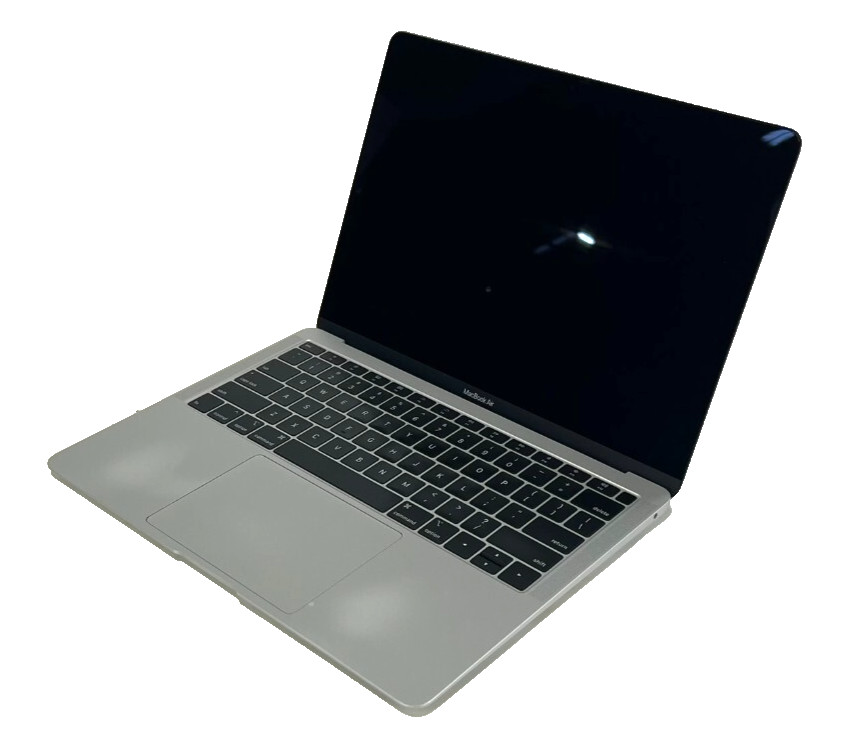 Apple MacBook Air 2019 A1932 13" Laptop i5 128GB SSD 8GB RAM macOS 12 (AB)View on eBay →, a used laptop that can keep a capable machine in circulation longer instead of pushing demand for a brand-new replacement. Choosing used electronics from R2V3-certified recyclers helps lower emissions by extending the life of devices like this in everyday computing and student or home-office setups.
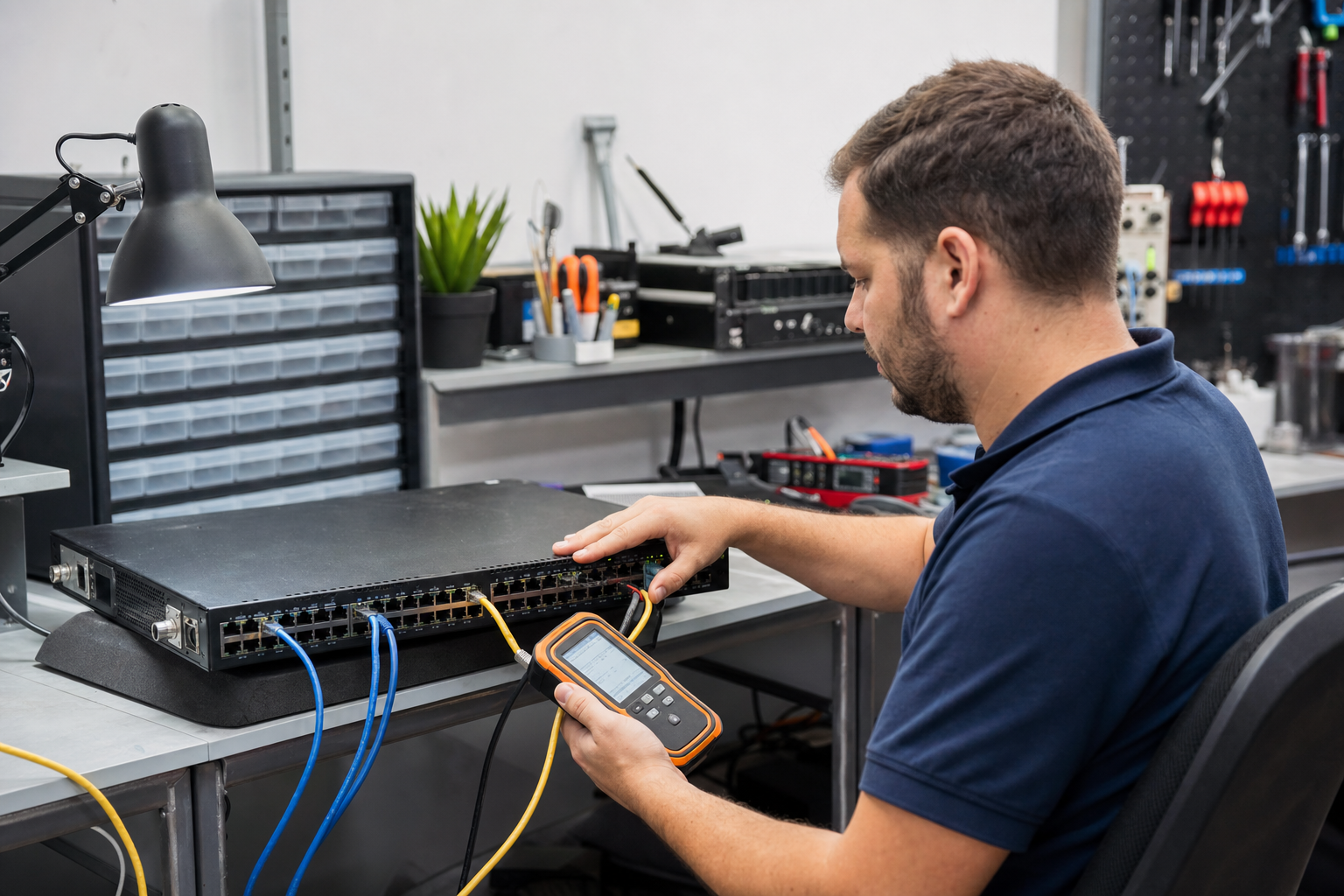
What does responsible recycling add beyond simple reuse?
Reuse is the best outcome when hardware still has value, but responsible recycling is what makes the full chain credible when devices cannot be resold as-is. SERI, short for Sustainable Electronics Recycling International, maintains the R2 standard overview, which sets requirements for certified facilities covering environmental, health, safety, and downstream management practices.
Data security is part of that trust picture too. The media sanitization side of electronics processing is informed by standards such as NIST SP 800-88, widely referenced for secure data destruction methods on storage media.
That combination matters whether you are sourcing a laptop for home use or decommissioning an office full of assets. Buying from sellers operating at audited facilities is a more credible environmental choice than feeding informal channels that may strip value, mishandle hazardous fractions, or export problems downstream.
What does the circular economy mean in practice for electronics?
In electronics, the circular economy is not an abstract slogan. It means keeping products in use longer, harvesting parts when full-device reuse no longer makes sense, and recovering materials through controlled processes when the equipment truly reaches end of life.
For buyers, that often looks unglamorous: choosing an off-lease notebook instead of a new one, adding a second-hand dock rather than replacing an entire setup, or using a tested scanner that already exists. Those ordinary decisions are where emissions are actually avoided.
A small but telling example is the Lenovo 10SUS0T400 Core i3-8100 3.6GHz 16GB RAM NO HDD NO OS Fair$110.99F3C3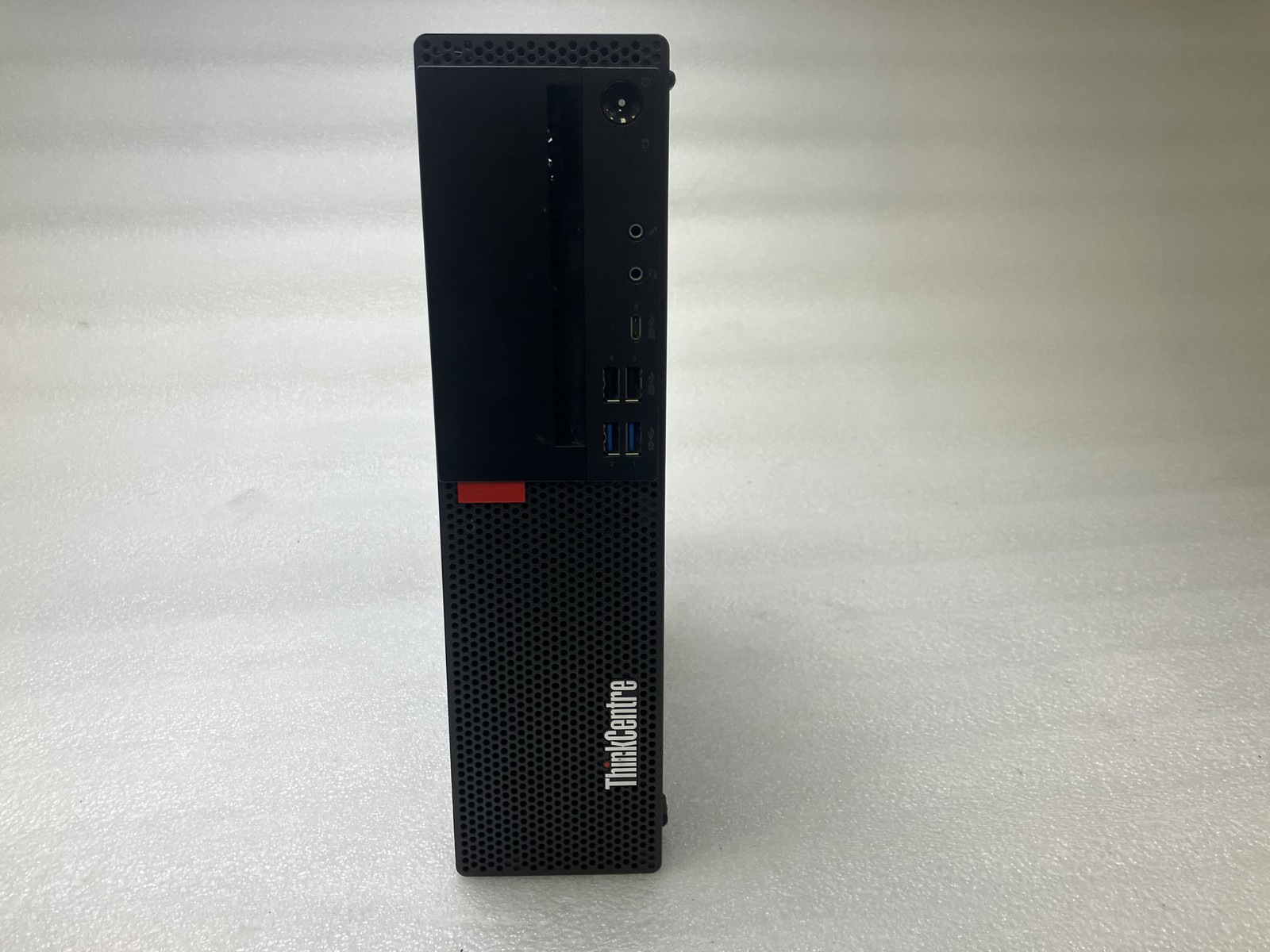 Lenovo 10SUS0T400 Core i3-8100 3.6GHz 16GB RAM NO HDD NO OS FairView on eBay →. A used system like this, with key functions working and fair cosmetic condition, shows how buying used electronics from R2V3-certified recyclers can extend the life of existing hardware, lower demand for newly manufactured devices, and keep useful equipment in circulation longer.
Why is buying from certified recyclers better than landfill disposal?
Landfill disposal treats electronics as trash when they are really a mix of reusable devices, recoverable materials, and components requiring careful handling. That is a poor climate outcome because it encourages replacement manufacturing while wasting the energy already embedded in the original product.
Certified facilities create a more disciplined path. Working hardware can be tested and sold back into the market, partially useful units can contribute parts, and truly end-of-life material can move through controlled downstream vendors rather than disappearing into informal disposal channels.
For organizations retiring fleets, that also turns sustainability into an operational process rather than a feel-good claim. If you are evaluating source quality, What Is R2V3 Certification?, Understanding R2V3 Grades, and the Certified Recycler Directory are the practical pages worth bookmarking.
How should buyers think about performance versus emissions?
The right comparison is not old versus new in the abstract; it is fit-for-purpose versus overkill. If a used system handles your actual workload, then replacing it with a more powerful new one usually adds manufacturing emissions without delivering proportional real-world benefit.
That logic works across categories. A household that needs video calls can use a business webcam, a small office can run on previously deployed switching hardware, and a document-heavy workflow can often make excellent use of a second-hand scanner from Printers & Scanners rather than buying a new one by default.
The sustainability win is strongest when the buyer matches hardware to need, keeps it in service, and plans a responsible end-of-life route from day one rather than treating electronics as short-lived consumables.
Frequently Asked Questions
Does buying used tech really lower carbon emissions?
Usually, yes. Most electronics carry significant embodied carbon from extraction, manufacturing, and shipping, so extending the life of an existing device often lowers emissions compared with buying a brand-new replacement.
What is embodied carbon in electronics?
Embodied carbon is the emissions created before a device is used, including mining, materials processing, component manufacturing, final assembly, and transport through the supply chain.
Should I buy a used laptop or a new one for lower impact?
If a used laptop meets your performance, battery, and software needs, it will often be the lower-impact choice because it avoids the manufacturing footprint of a new machine. The key is buying hardware that still fits the job rather than replacing on habit.
How does R2V3 relate to responsible electronics recycling?
The R2 standard, maintained by SERI, sets requirements for certified recycling facilities around environmental controls, worker health and safety, downstream accountability, and data handling practices. That framework helps support safer resale and end-of-life processing.
Why is buying from certified recyclers better than throwing electronics away?
Responsible resale keeps usable hardware working longer, while certified recycling channels nonreusable material into controlled processing. Landfill disposal wastes recoverable value and can increase pressure for new manufacturing.
Do cosmetic flaws make used electronics a worse environmental choice?
No. Cosmetic wear affects appearance, not necessarily function, which is why many C4-graded items remain excellent sustainability buys if their tested condition matches your needs.
What kinds of electronics make the most sense to buy used on World Environment Day?
Business laptops, docks, monitors, switches, webcams, scanners, and other office gear are especially good candidates because they often have long service lives and are commonly retired before their useful life is over.
Products Mentioned
Affiliate links — we may earn a commission if you buy through eBay.
Lenovo
Lenovo ThinkPad Thunderbolt 3 Dock Only Type 40AC DBB9003L1 No Power Adapter
$19.99
Dell
Dell Latitude 5410 14" Laptop i7 10th Gen 256GB SSD 8GB RAM Win 11 Pro (Z3E) B
$269.95

Cisco
Cisco WS-C3750X-48T-L V02 48 Port PoE Gigabit Switch w/ C3KX-NM-10G
$39.99
Sponsored
Stay updated on R2V3 deals
Weekly deals from R2V3 certified recyclers in your inbox.