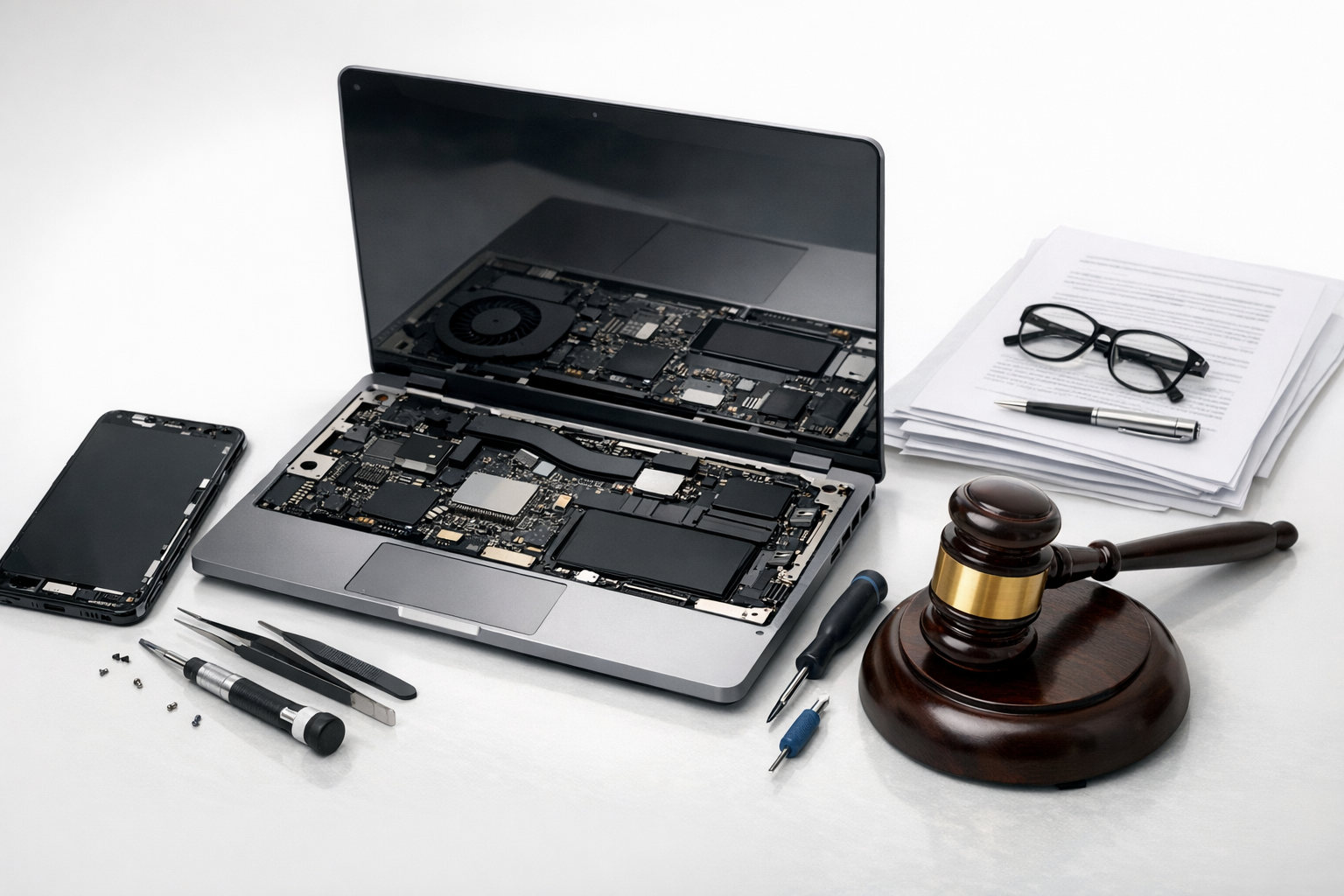
Used RAM and SSD Prices Have Jumped. Here’s How Buyers Can Respond
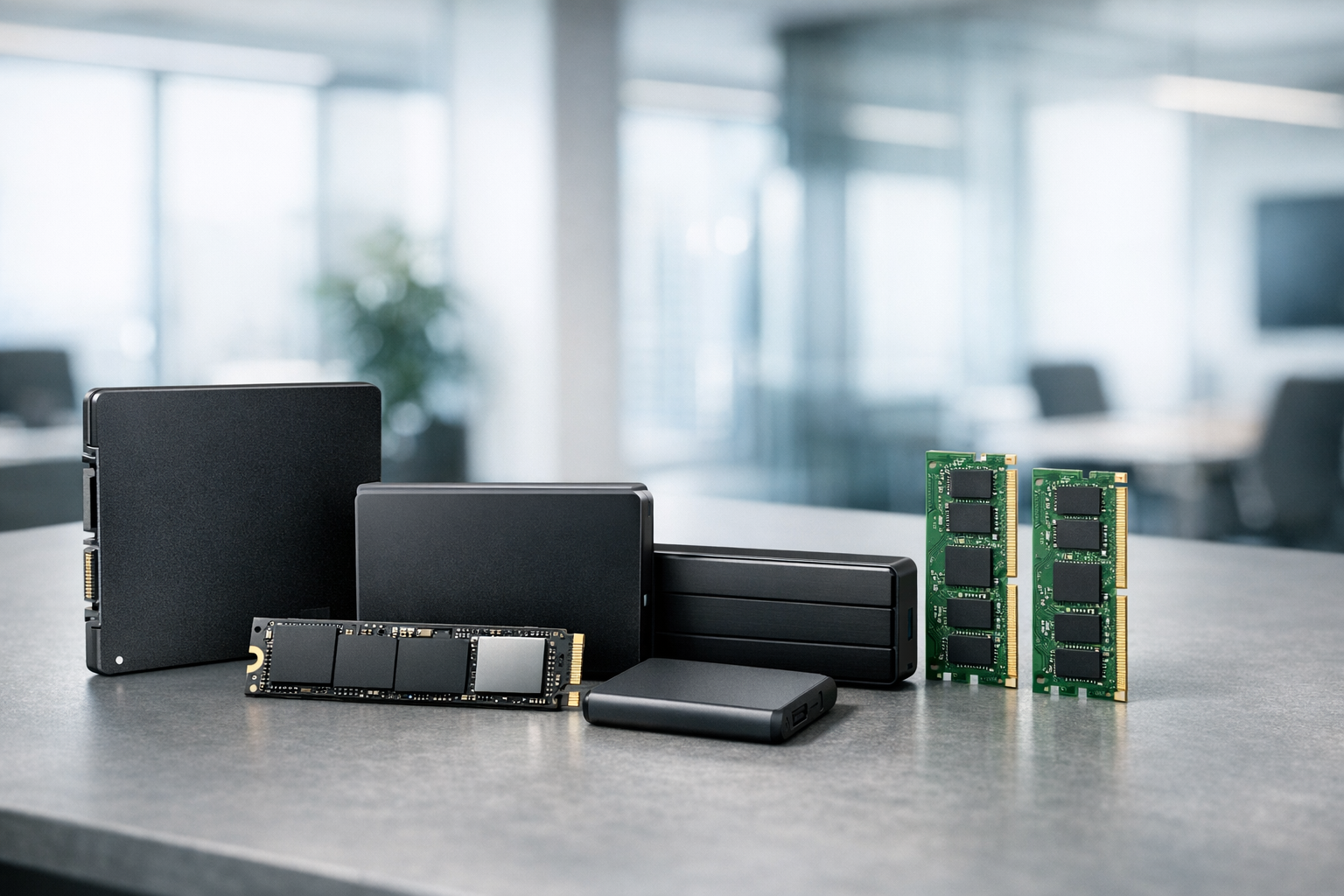
Yes, used RAM and SSD prices have risen sharply, and buyers should expect tighter supply, less pricing slack, and more costly mistakes when choosing parts. For shoppers trying to extend the life of existing hardware, the smart response is to verify compatibility carefully, compare total upgrade value, and buy from businesses with audited resale and recycling processes.
Quick Answer: Used RAM and SSD prices are climbing because demand for memory and storage has expanded along with AI infrastructure, virtualization, and data-heavy computing. Buyers can still save money by purchasing used parts and systems sold by R2V3-certified recyclers, but they need to check technical fit, read SERI grades correctly, and avoid assuming every used component is refurbished.
Key Takeaways
- RAM and SSD pricing pressure is no longer limited to a niche server market; it is affecting everyday upgrade decisions for desktops, laptops, and enterprise systems.
- Memory and storage are often the easiest upgrades to deploy, which makes them some of the first parts buyers target when budgets are tight.
- SERI (Sustainable Electronics Recycling International) oversees the R2 standard, and R2V3 certification applies to the recycler’s processes, not to a specific drive, RAM module, or computer.
- Under the SERI grading framework, F3 — Key Functions Working (functional) and F4 — Hardware Functional (functional) describe used equipment accurately, while only F5 — Refurbished (functional) should be called refurbished.
- Extending the life of a system with used memory or storage can still lower costs and reduce unnecessary replacement.
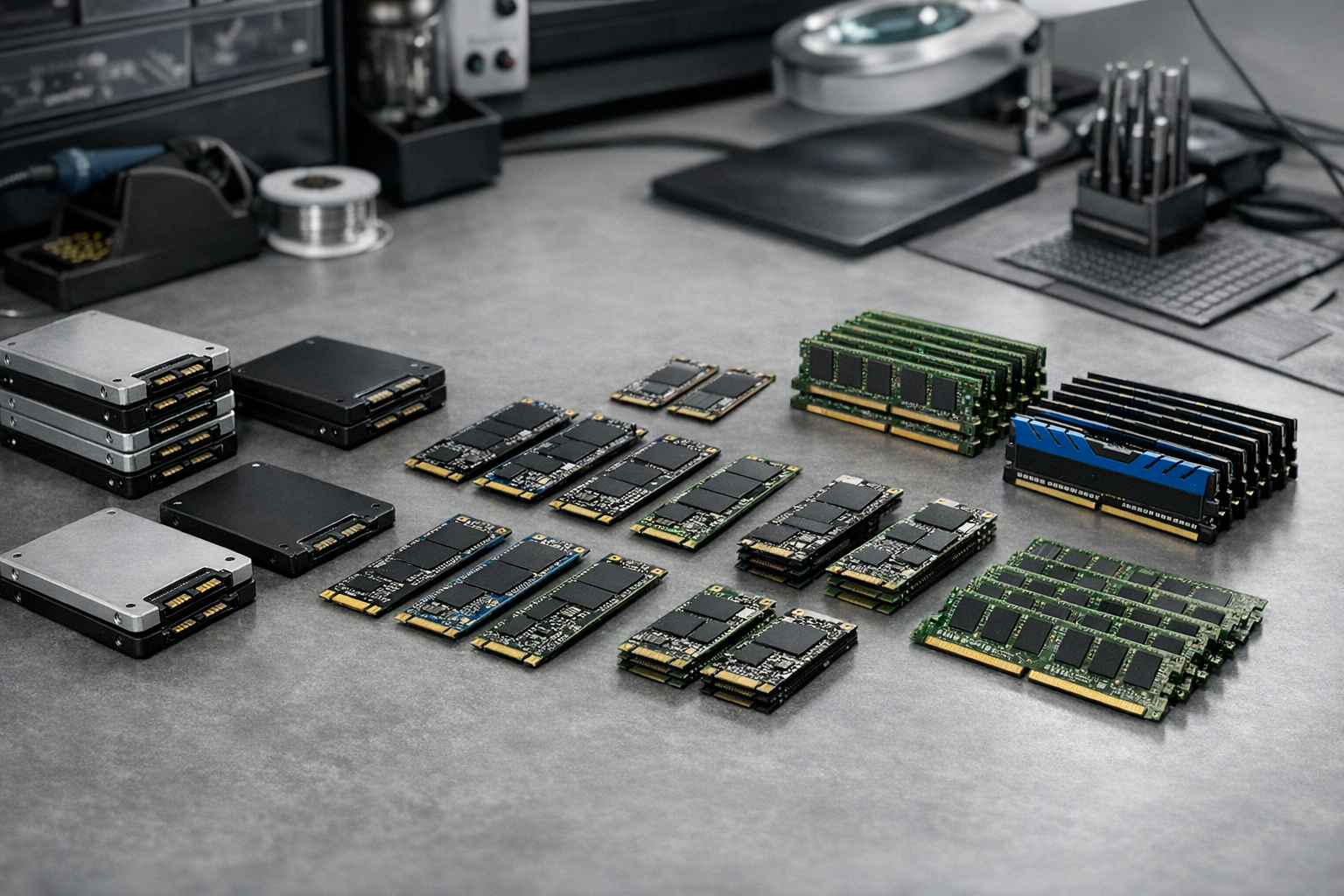
Why are used RAM and SSD prices rising so fast?
The main driver is broader infrastructure demand. AI projects, virtualization clusters, analytics environments, and storage-heavy workflows all consume more memory capacity and more fast storage, even when the system in question is not running a top-tier accelerator card.
That matters because RAM and SSDs are among the easiest ways to improve performance without replacing an entire machine. When organizations want more useful life from existing hardware, memory and storage upgrades often come first.
Market attention has focused on GPUs, but pricing pressure has spread into the rest of the stack. Reports and channel pricing trends suggest that once buyers begin chasing server capacity, workstation responsiveness, and local data staging, the used market for components tightens quickly.
Storage demand also stretches beyond premium flash. A high-capacity listing such as Hard drive Toshiba 16TB HDD SATA 6G 3.5" HDEPX10GEA51$384.97 Hard drive Toshiba 16TB HDD SATA 6G 3.5" HDEPX10GEA51View on eBay → shows how even bulk storage is being pulled into the same supply-and-demand story, especially for backup, archive, and dataset staging roles.
Why does this matter to buyers of used electronics right now?
When RAM and SSDs are cheap, a bad purchase is frustrating but recoverable. When prices jump, ordering the wrong part can wipe out the savings that made a used upgrade attractive in the first place.
This hits both consumers and IT teams. A home user upgrading an older laptop and an asset manager maintaining a fleet of office systems face the same basic problem: memory generation, capacity limits, interface type, and included accessories all matter more when the market is tight.
It also changes how buyers evaluate complete systems. A low-cost small-form-factor desktop with RAM already installed but no drive may still be a strong value if the storage plan is clear, which is exactly why HP ProDesk 600 G1 DM Core i5-4590T 2GHz 8GB RAM NO HDD NO OS Good$45.99F3C4 HP ProDesk 600 G1 DM Core i5-4590T 2GHz 8GB RAM NO HDD NO OS GoodView on eBay → is best understood as an upgrade project rather than a plug-and-play purchase.
What is happening in the RAM and SSD market beyond the GPU story?
One clear shift is that memory and storage are now part of capacity planning, not just maintenance. More workloads depend on larger working datasets, faster scratch space, and quick local access to files, logs, and cached content.
That pushes buyers into the secondary market for upgrades that would have seemed ordinary a few years ago. A used SSD is no longer just a convenience purchase for an old desktop; in many cases it is now part of a broader strategy to defer full hardware replacement.
Older standards and niche enterprise form factors can also behave unpredictably in price. If supply is limited and compatibility requirements are strict, the used market can become less forgiving than buyers expect.
For practical shopping, that means looking beyond category labels like Computer Components & Parts and Servers & Enterprise and focusing instead on the exact spec match your system requires.
What is R2V3 and why does it matter when buying used memory and storage?
R2V3 is the current Responsible Recycling standard administered by SERI’s R2 framework. It certifies the recycler or business, not the individual RAM stick, SSD, HDD, or computer listing.
That distinction is especially important with storage. A drive is not “R2V3 certified,” but buying from an R2V3-certified recycler means the seller operates under audited requirements covering environmental practices, worker health and safety, downstream accountability, and data management controls.
For buyers unfamiliar with the standard, our What Is R2V3 Certification? page gives a concise overview, and What Is R2v3? A Simple Guide to the Electronics Recycling Standard provides added background. You can also learn more about the marketplace itself on About Certified Used Electronics and review participating businesses in the Certified Recycler Directory.
For data-bearing devices, process quality matters. Buyers looking at used SSDs and hard drives often want confidence that media handling aligns with recognized practices such as NIST SP 800-88, particularly when drives originated in enterprise environments.
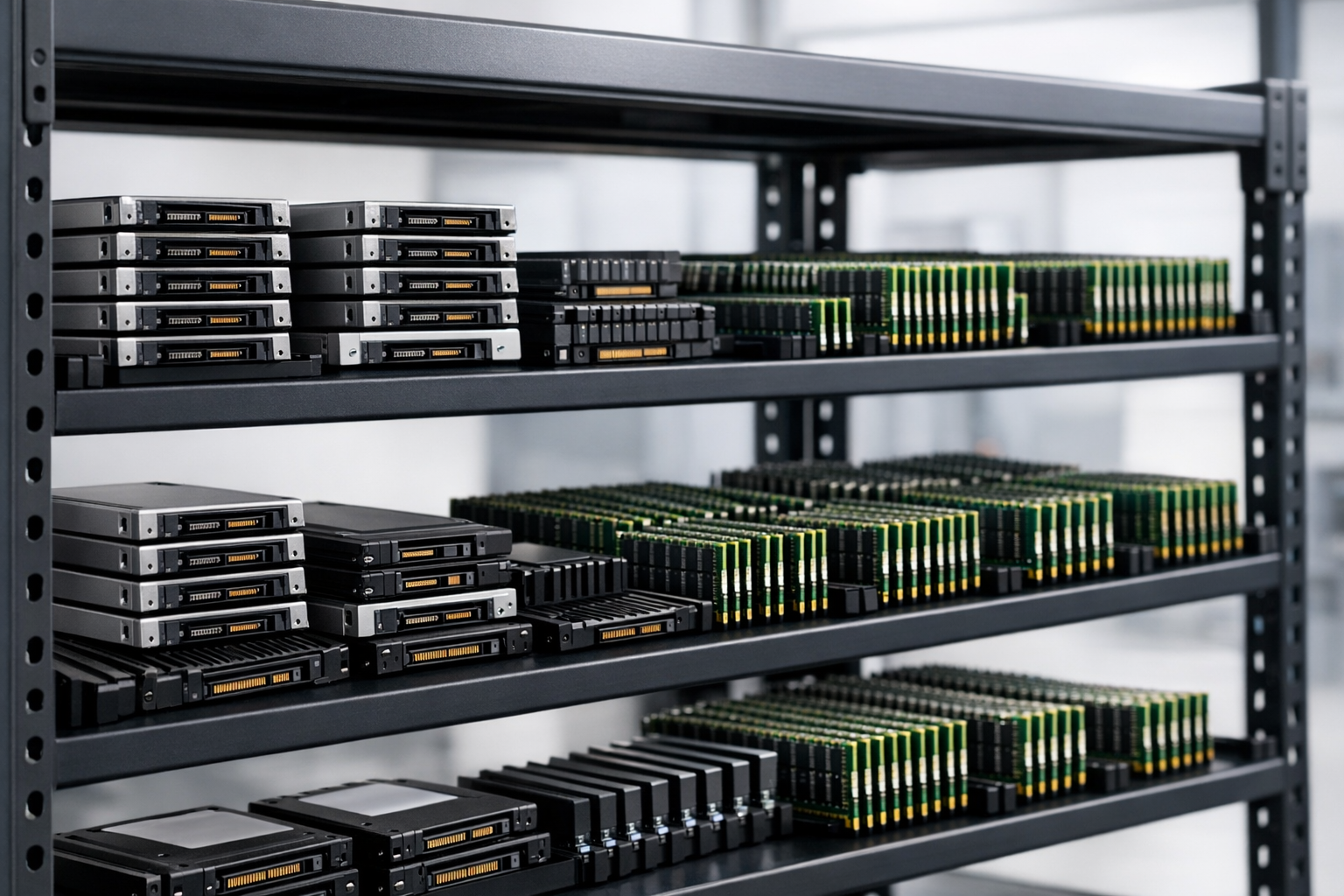
How should buyers read R2V3 grades on used components?
Under the SERI framework, functional grades run from F1 to F6 and cosmetic grades run from C1 to C9. Functional grades describe operation, while cosmetic grades describe physical appearance.
For memory, drives, and related hardware, the functional grade usually matters most. F3 — Key Functions Working (functional) indicates key functions work, while F4 — Hardware Functional (functional) means the hardware functions as intended.
Only F5 — Refurbished (functional) should be described as refurbished. If a listing is F3, F4, or ungraded, the accurate language is used, pre-owned, or grade-tested, not refurbished.
Cosmetic grades still have value, especially for complete systems or components with visible trays, housings, or bezels. Buyers comparing listings can use Understanding R2V3 Grades and pages such as C4 — Used Good (cosmetic) to set expectations without confusing appearance with performance.
What should buyers verify before buying used RAM or SSDs?
Start with RAM type and platform limits. Verify generation, module format, speed support, maximum capacity per slot, and whether the system requires ECC, or error-correcting code memory, which is commonly used in servers and workstations.
For SSDs, confirm the interface and physical format. SATA, SAS, NVMe, M.2, and 2.5-inch drives are often mentioned together in listings and discussions, but they are not interchangeable.
Also check what is included. Carriers, caddies, heatsinks, screws, adapters, and mounting brackets can turn a cheap component into a delayed deployment if they are missing.
What belongs on a practical pre-purchase checklist?
- RAM generation, speed, module format, and capacity per slot.
- ECC or non-ECC requirement for the target system.
- SSD or HDD interface, connector type, and form factor.
- Functional and cosmetic grade, if listed.
- Included trays, caddies, screws, adapters, or heatsinks.
- Whether the seller is part of the R2V3 ecosystem.
Compatibility sometimes depends on supporting hardware, not just the drive itself. A part such as I102-00A Silicon Image I102-00A Twin eSATA Port PCIe PCI Express CarD FREE SHIP!$12.99 I102-00A Silicon Image I102-00A Twin eSATA Port PCIe PCI Express CarD FREE SHIP!View on eBay → is a reminder that older storage deployments can hinge on controller support as much as storage capacity.
Are used RAM and SSD upgrades still worth it at current prices?
Often, yes. Higher prices reduce the margin for error, but they do not erase the value of extending the life of hardware you already own.
A targeted upgrade can still be cheaper than replacing a whole system from the Desktop Computers or Laptops & Notebooks categories. That is especially true when migration time, software setup, and peripheral compatibility are part of the real cost.
The strongest value case appears when the upgrade solves a known bottleneck. Adding enough memory to stop paging or replacing a spinning boot drive with solid-state storage can noticeably improve responsiveness, even if the absolute bargain pricing of the past is gone.
For sustainability-minded buyers, this still matters. Keeping useful hardware in service longer aligns with reuse principles reflected in EPA guidance on electronics donation and recycling and reduces pressure to buy newly manufactured replacement devices sooner than necessary.
What does this trend mean for sustainable IT procurement?
Rising RAM and SSD prices reinforce a simple point: these parts still have strong operational value after first ownership. The market is effectively signaling that reuse is not secondary to procurement strategy; it is part of procurement strategy.
That creates an opening for more disciplined, more sustainable buying. Instead of replacing every slow system, teams can evaluate whether a memory or storage upgrade extends service life enough to justify continued use.
Buying through a platform built around audited sellers adds confidence to that decision. Buyers can Browse All Products across categories, compare grade information, and focus spending where it has the clearest life-extension impact.
The result is practical sustainability, not symbolic sustainability. It is about reducing waste, lowering replacement costs, and sourcing used electronics from businesses that have been audited under the SERI R2 standard.
Frequently Asked Questions
Are used RAM and SSD prices really rising because of AI demand?
Yes. AI-related infrastructure growth has increased demand for memory and storage alongside compute hardware, which has tightened parts of the used market for components.
Why would AI workloads affect SSDs and RAM if GPUs get most of the attention?
AI environments still need fast access to datasets, enough memory for active workloads, and storage for caching, staging, logging, and retention. That pushes demand into the broader hardware stack.
Does R2V3 certify an SSD, hard drive, or RAM module?
No. R2V3 certifies the recycler or business and its operating processes. It does not certify an individual product listing.
Which R2V3 functional grades matter most for used components?
For most buyers, F3 and F4 are common reference points for used equipment, while F5 is the only functional grade that should be called refurbished. The higher the functional grade, the better the stated condition under the SERI framework.
What is the biggest mistake buyers make with used RAM and SSDs?
Compatibility errors are the most common and most expensive problem. Buyers often focus on capacity and price before confirming interface, form factor, generation, and platform support.
Are used hard drives still relevant if SSD prices are the main story?
Yes. Hard drives remain important for bulk storage, backup, archive, and staging tasks, and they are part of the same broader storage market that is experiencing pricing pressure.
Should buyers still consider used upgrades instead of replacing the whole computer?
In many cases, yes. If the system is otherwise suitable, a well-matched used memory or storage upgrade can still extend its life at a lower cost than full replacement.
Products Mentioned
Affiliate links — we may earn a commission if you buy through eBay.Sponsored
Stay updated on R2V3 deals
Weekly deals from R2V3 certified recyclers in your inbox.